
Overview
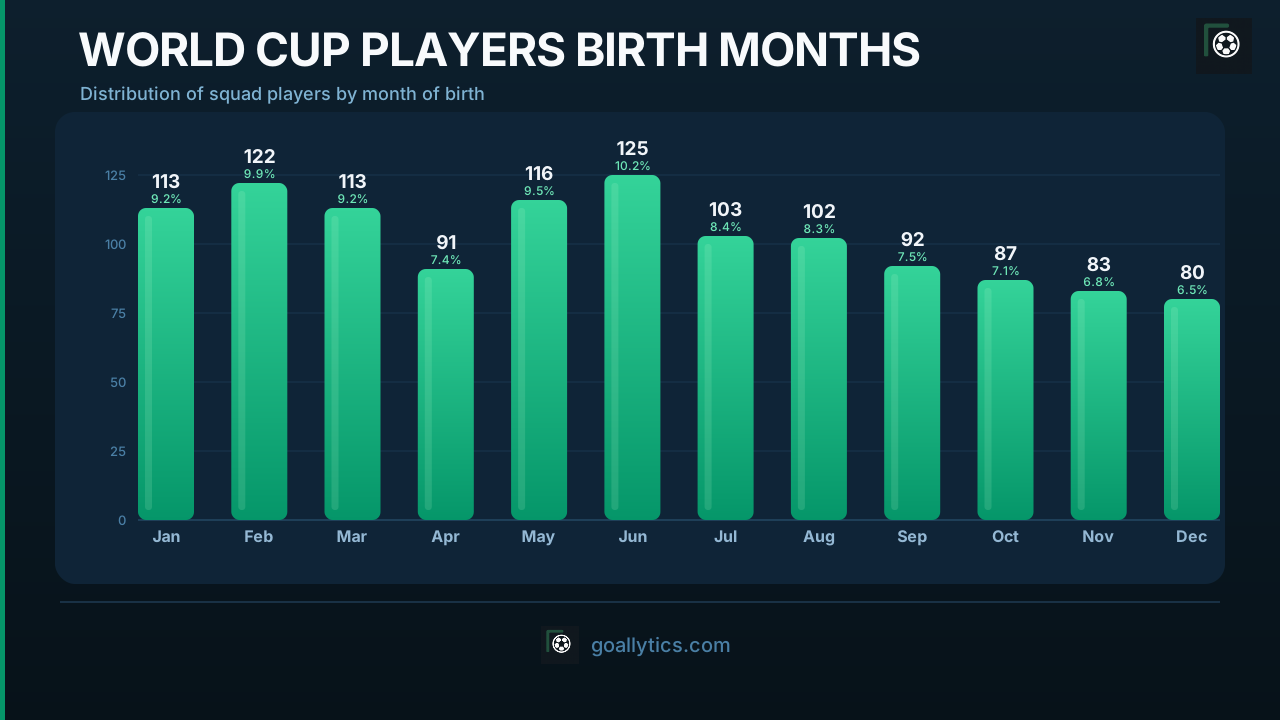
A few days ago, the official squads lists for the 48 teams of the 2026 World Cup were published. Each team submitted a squad of 26 players (with at least 3 goalkeepers). Out of the 1,248 players selected, we were able to analyze the age and birth dates of 1,227. Twenty-one players were missing from our database.Key finding: 55.4% of World Cup players were born between January and June.
The Age
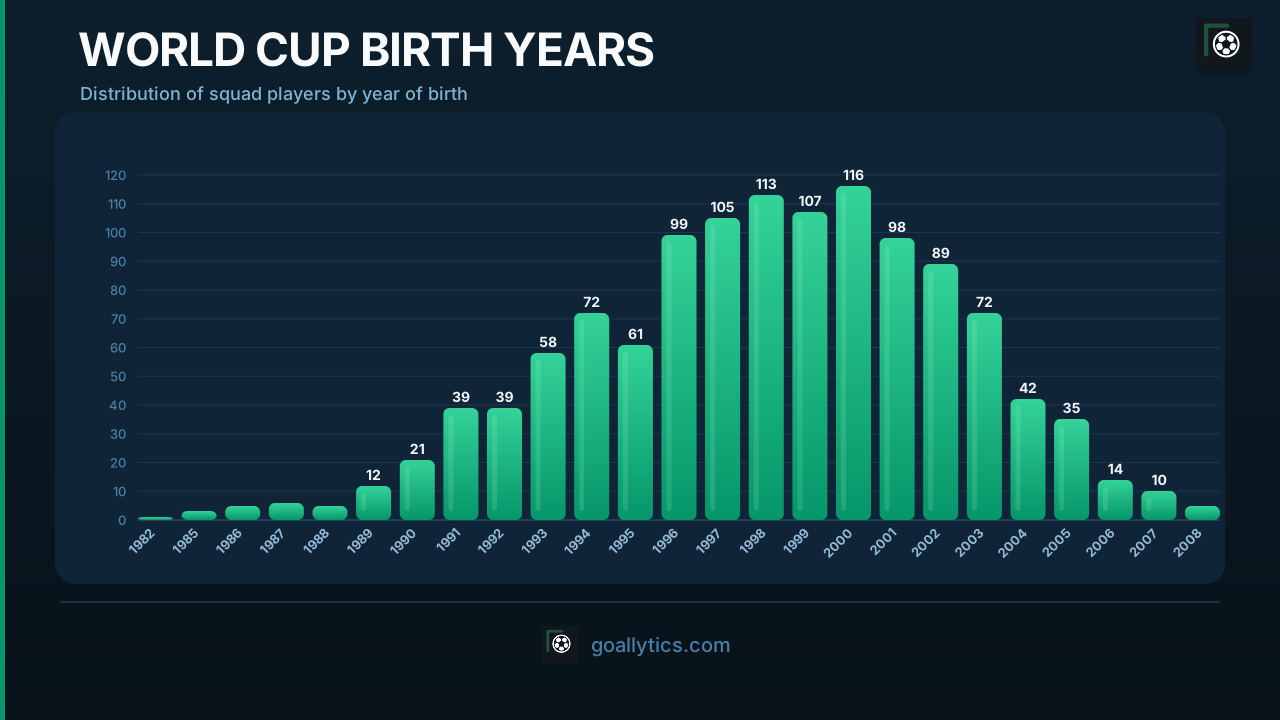
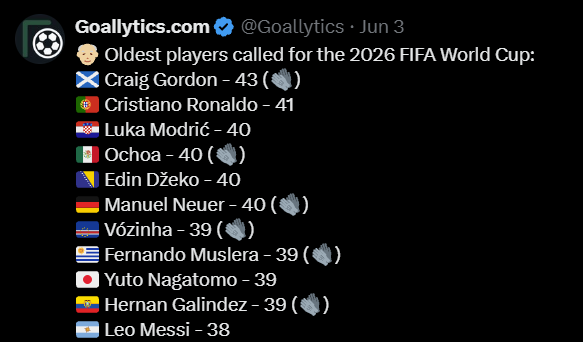
Looking at the list of the 11 oldest players selected for the event, 6 of them are goalkeepers. The other 5 are legends ( Cristiano Ronaldo, Luka Modrić, Leo Messi) or veterans (Edin Džeko and Yuto Nagatomo).
The Month of birth
This section is the most interesting of all. The chart below reveals the presence of the Relative Age effect, that consists in the imbalance, among professional footballers, of players born in the first months of the year.El Pais journalist Kiko Llaneras has investigated this effect analyzing 150'000 football players. Youth players are divided into categories based on their birth date, but a child born on January 1, 2000 is effectively one year older than one born December 31, 2000. This implies substantial differences in height, weight, strength and coordination, and even if these differences fade with the years, their knock-on effects will already have shaped the players' careers in decisive ways.
The birth quarter distribution is:
- January-March: 348 (28.4%)
- April-June: 332 (27.1%)
- July-September: 297 (24.2%)
- October-December: 250 (20.4%)
While the half-year distribution is:
- January-June: 680 (55.4%)
- July-December: 547 (44.6%)
Part of this imbalance may also be influenced by seasonal birth patterns in the general population, but the magnitude of the difference is consistent with the Relative Age Effect documented in football academies around the world.
The Day of birth
For a sample of 1227 players, the birth day distribution shows no obvious trend toward the beginning, middle, or end of the month. The only noticeable exception is the 31st, which is naturally underrepresented because it occurs in only seven months of the year.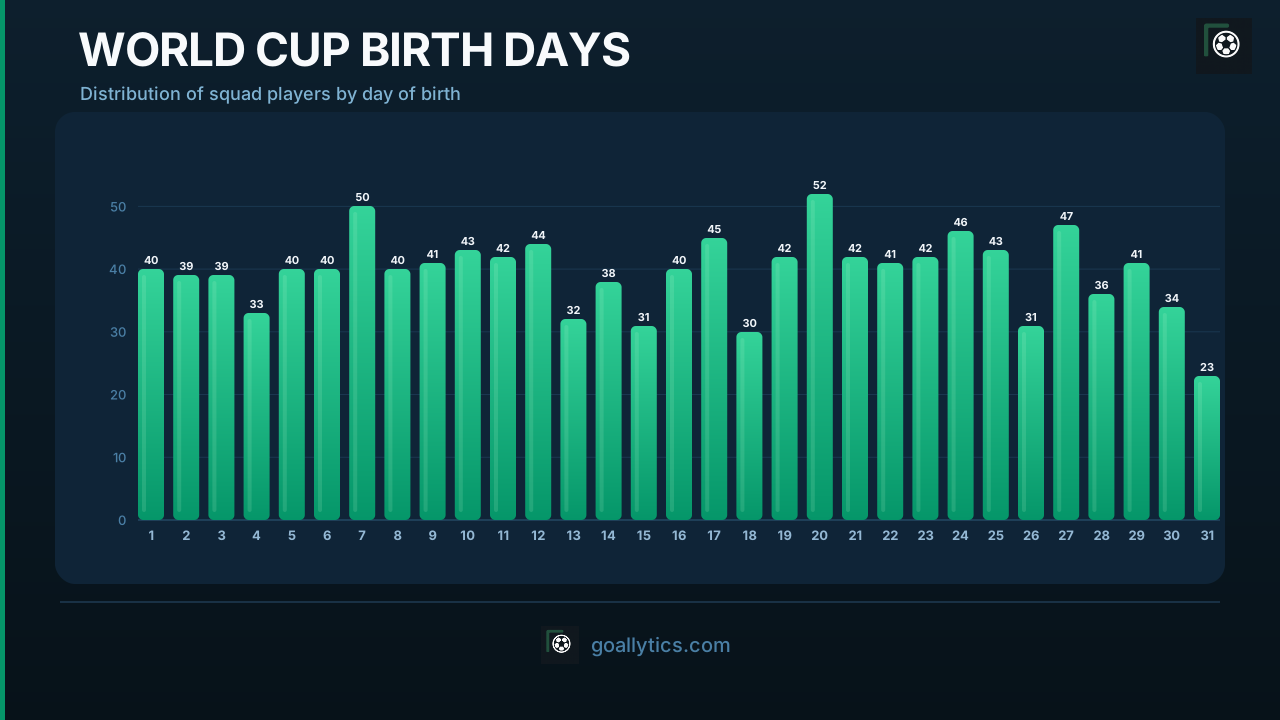
Follow Goallytics.com for more football stories, data and analysis.